


Dvůr roztříštěné harmonie: Vyplatilo se čekání na další díl ACOTARu? | RECENZE
Fanoušci čekali pět let, než se budou moci vrátit do Prythianu a ke svým...


Kniha ( pevná vazba )


Při zaslání zboží balíčkem
K nákupu nad 1499 Kč dárek zdarma v hodnotě 399 Kč
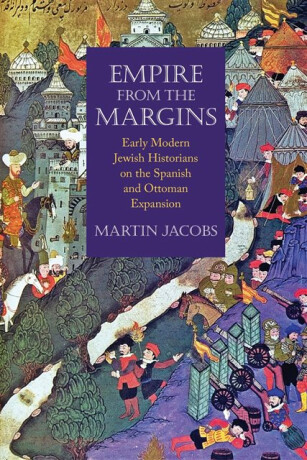
The writings of three early modern Jewish historians highlight the divided allegiances of a Jewish diaspora living in and between the Spanish and Ottoman empires In 1492, the year that marked the start of Spain's transatlantic expansion, the Spanish monarchs expelled their Jewish subjects and triggered a mass Jewish migration to the lands of… Přejít na celý popis


The writings of three early modern Jewish historians highlight the divided allegiances of a Jewish diaspora living in and between the Spanish and Ottoman empires In 1492, the year that marked the start of Spain's transatlantic expansion, the Spanish monarchs expelled their Jewish subjects and triggered a mass Jewish migration to the lands of the Ottoman empire. But while the rise of these rival empires had tremendous impact on the Jewish population's geography, the historical accounts of contemporary Jews have remained peripheral to the study of early modern imperialism. In Empire from the Margins, Martin Jacobs seeks to understand how the history of empires appears through the lens of marginalized communities and to explore how Jews responded to Spanish and Ottoman imperial expansion. He approaches this history through the Hebrew chronicles of three sixteenth- and seventeenth-century Jewish authors. Elijah Capsali of Crete, Joseph ha-Kohen of Genoa, and Joseph Sambari of Cairo all lived in early modern hubs with global connections, and—in unusual detail for premodern Jewish historians—they described how the Spanish and Ottoman empires redrew the political, cultural, and religious map of the Mediterranean region while simultaneously transforming the transatlantic world. As Jews, these writers belonged to an ethno-religious minority within the Mediterranean basin where the Spanish and Ottoman empires were centered, and from here they expressed marginalized views on the Spanish and Ottoman regimes. At the same time, these Jewish authors belonged to Jewish networks that transcended imperial boundaries, and they voiced conflicting loyalties between different authorities and cultures. And Jacobs shows that, in writing about the Spanish and Ottoman expansion, these authors also grappled with the Jews' precarious position in their host societies and their own multilayered identities. Their shifting positionalities illuminate the divided allegiances of a Jewish diaspora living in and between competing empires.
0.0 z 5 0 hodnocení čtenářů
0× 5 hvězdiček 0× 4 hvězdičky 0× 3 hvězdičky 0× 2 hvězdičky 0× 1 hvezdička
Získejte přehled o vývoji ceny za posledních 60 dní.
Fanoušci čekali pět let, než se budou moci vrátit do Prythianu a ke svým...
Každý z nás si z dětství pamatuje to příjemné těšení na otevření...
Nejdřív divákům zamotal hlavu jako tajemný upír Edward Cullen, potom...
Kolik lidí se vejde do jedné duše? Na velmi krátký okamžik to byl Tyrone...
Marvel si zjevně řekl, že nás před premiérou Avengers: Doomsday nenechá...
Mezi tvými oblíbenými romány se rozsvítila malá japonská ulička. Má...
Listopad si přímo říká o večery strávené s knihou. Venku se brzy...
Po úspěšných knihách s Erikou Fosterovou a Kate Marshallovou se Robert...
Vánoce jsou za dveřmi a s nimi přichází i každoroční otázka: Co letos...
Podzim chutná nejlépe v Kodani
Jonna nastoupí do kodaňské kavárny, jejíž majitel Mads jí brzy nabídne místo na svém hausbótu. Společně tráví stále víc času a Jonna zjišťuje, že mezi nimi vzniká něco víc než přátelství.
Mohlo by vás zajímat
Být sám sebou může být ten nejtěžší zápas
Kapitán týmu. Syn trenéra. Jeden tajný polibek, který změní vše...
Mohlo by vás zajímat
Co když jsou všechny městské legendy skutečné?
Holland zjistí, že za necelých 24 hodin zemře, pokud nenajde bájné srdce alchymistů. Pátrání ji zavede do tajemného světa magie, kde nemůže věřit ani svému záhadnému ochránci.
Mohlo by vás zajímat
Pohádka, kterou tvoříte společně!
Vstupte do kouzelného světa Dixitu, kde každý obrázek vypráví tisíc příběhů. Popusťte uzdu představivosti, vymýšlejte originální nápovědy a nechte ostatní hádat, co se vám honí hlavou!
Mohlo by vás zajímat
Dobrodružství nekončí západem slunce!
Právě naopak, to nejzajímavější může teprve začít! Infračervený dalekohled Albi Science otevírá malým průzkumníkům svět nočního pozorování, ve kterém mohou objevovat, fotografovat a natáčet i za tmy.
Mohlo by vás zajímat
Vypěstujte si krásně přehledné poznámky!
Stačí šest barevných mrkviček a ve vašich zápiscích začne být jasno. Zvýrazňujte důležité informace, rozlišujte témata a proměňte i tu nejnudnější stránku v pastelovou zahrádku.
Každý měsíc společně přečteme tisíce knih







Tento web je chráněn službou reCAPTCHA a platí pro něj Zásady ochrany soukromí a Smluvní podmínky. | © 2001–2026 DOBROVSKÝ s.r.o. Všechna práva vyhrazena.






 pompo.xyz
 knihydobrovsky
 @knihydobrovskycz
 @knihydobrovsky